



Bluebell's Curbside Composting Program: What to Put in Your Bin and When It Gets Collected
A practical guide to Bluebell's new curbside composting program: what belongs in the green bin, what never does, when it gets picked up, and how to keep it from becoming a nuisance.
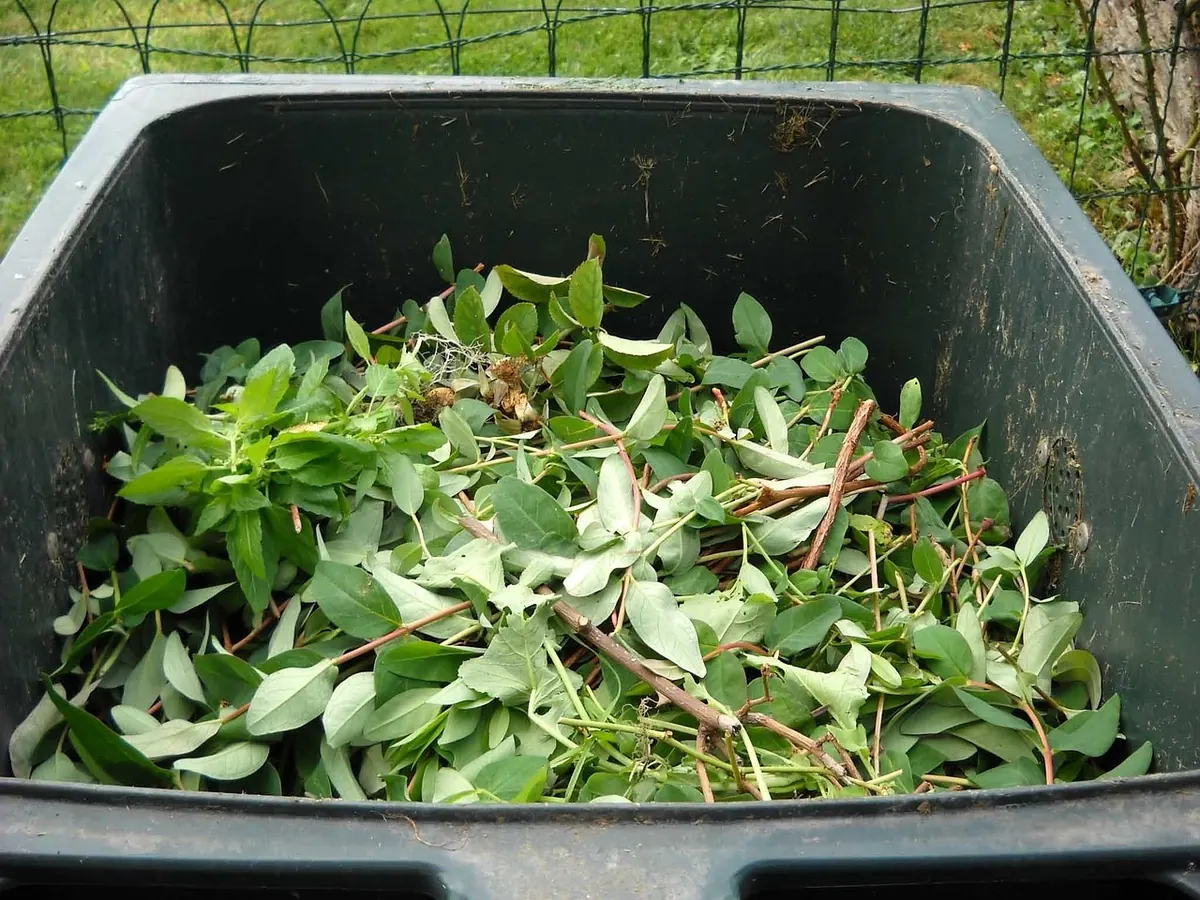
The green-lidded bins showing up on Bluebell porches are not a pilot project or a suggestion. Curbside composting is now a permanent part of the city's waste pickup, which means every household has a third stream to sort alongside trash and recycling — and a short list of rules that decides whether your bin gets emptied or left at the curb with a tag on the handle. Get the basics right and the whole thing takes about ninety seconds a day. Get them wrong and you'll be scraping frozen eggshells out of a bin in February.
The Program in Plain Terms
Bluebell collects food scraps and yard trimmings separately from garbage. The material goes to a commercial composting facility, where it breaks down into soil amendment instead of sitting in a landfill. Food waste buried in a landfill decomposes without oxygen and produces methane, which is why cities bother separating it in the first place.
You keep one bin. It's collected weekly on your existing trash day, so there's no new day to remember. No bag is required, and in fact plastic liners are the single most common reason a bin gets rejected.
What Goes In the Bin
The accepted list is longer than most people expect. All of the following can go in loose or in a paper bag:
- Fruit and vegetable scraps, including peels, cores, pits, and wilted greens
- Coffee grounds, paper filters, and loose tea leaves
- Eggshells and used paper egg cartons
- Stale bread, rice, pasta, and plate scrapings
- Meat, fish, bones, and dairy, as long as they're wrapped in newspaper or a paper bag
- Greasy pizza boxes and uncoated paper napkins or towels
- Grass clippings, leaves, twigs, houseplant trimmings, and dead cut flowers
If you're ever unsure, the sticker on the underside of your lid is the final word — accepted materials vary from one program to the next, and Bluebell's list is narrower than some and wider than others.
What Stays Out
Contamination is the whole game here. A bin with too much non-compostable material in it gets tagged and left behind, and a whole truckload can be rejected at the facility if enough households guess wrong.
- Plastic bags of any kind, including bags labeled "compostable" or "biodegradable" unless the city has specifically approved them
- Pet waste, cat litter, and diapers
- Produce stickers, rubber bands, twist ties, and the plastic clips on bread bags
- Coffee pods and tea bags with plastic mesh or synthetic strings
- Glass, metal, and anything that belongs in the recycling cart
- Treated, painted, or pressure-treated wood, and lumber of any kind
- Grease, oil, and liquid leftovers — small amounts of oil clinging to a plate are fine, a cupful is not
The bag question, settled
Collect your scraps loose, in a paper bag, or in a paper towel. That's it. Paper breaks down with the food; plastic doesn't, and it shows up at the facility as shredded confetti that has to be screened out by hand.
"Compostable" doesn't mean accepted
Plates, cutlery, and cups marketed as compostable often need industrial conditions that a given facility may not run. Unless Bluebell's list names a specific product, treat it as trash.
When Your Bin Gets Collected
Set the bin out the night before your regular pickup day, or by early morning if that's your habit. Keep the lid latched and the handle facing the street so the truck's arm can reach it. Leave about three feet of clearance on all sides — bins jammed against a mailbox or a parked car are a frequent cause of missed pickups.
Holiday weeks shift by one day, so a Monday holiday means Tuesday collection for the rest of that week. Winter doesn't pause the schedule. If your material freezes solid to the bottom of the bin, it usually still empties, though you may need to wait for a warmer week to get the last of it out. Scrape what you can, add a layer of dry leaves or shredded newspaper, and try again next week rather than putting it in the trash.
Keeping the Bin Bearable
Compost doesn't have to smell. Most odor problems come down to moisture and air. A few habits make a noticeable difference:
- Drain liquids before the scraps go in.
- Alternate food scraps with a handful of dry "browns" — leaves, shredded paper, sawdust from untreated wood.
- Keep a small container on the counter or under the sink and empty it every day or two.
- Freeze meat, fish, and bones until collection morning to keep animals uninterested.
- Rinse the bin with a hose every few weeks and let it dry in the sun with the lid open.
Questions Residents Keep Asking
Do I have to participate?
The program is voluntary for now, and the city isn't issuing fines. The emphasis is on helping households sort correctly rather than penalizing mistakes, so if you'd rather compost in your own backyard, that's a legitimate choice — you can still use the bin for the things your pile won't handle, like bones and dairy.
My bin wasn't emptied. What happened?
Check the tag. It names the reason: plastic bag, wrong material, too heavy, or blocked by a vehicle. Fix the problem, and set the bin out again the following week. Don't leave it at the curb all week hoping for a second pass.
I live in an apartment. Does this apply to me?
Buildings with five or more units typically get shared bins through the property manager rather than individual carts. Ask your landlord or building manager where they're kept and how often they're serviced.
Can I get a smaller trash cart?
Often yes. Households that compost consistently tend to fill their garbage can more slowly, and the city's waste services office can tell you what sizes are available and whether a swap changes your bill.
Starting This Week
Pick one spot in the kitchen — a lidded pail, an old ice cream tub, a paper bag on the counter — and start with coffee grounds, banana peels, and eggshells. That's enough to build the habit. Add a layer of dry leaves to the outdoor bin when it starts to smell, keep a paper bag under the sink for the messy stuff, and tell everyone in the house the one rule that matters: no plastic, ever. The rest you'll learn in a month. And if something goes wrong, the city's waste services office and the insert that came with your bin are both worth keeping on the fridge.
Photo: dmoreaurh / Pixabay