
Bluebell Winter Storm Prep: A Neighborhood Checklist for Snow, Ice, and Power Outages
From stocking the pantry to swapping numbers with a neighbor who needs a hand, a practical guide to getting Bluebell homes, cars, and pets through the next winter storm.
The first real storm of the season usually arrives with a forecast that keeps moving. Two days out it's a dusting; the morning of, it's five inches and a wind advisory. By the time the plows reach your street, the difference between an annoying couple of days and a genuinely hard one comes down to what you did beforehand. None of it is expensive or complicated. Most of it takes an afternoon. Here is a checklist worth running through now, while the shelves are still full and the roads are still clear.
Stock the basics before the shelves empty
Stores get picked over fast once a storm has a name. The trick is to keep a small buffer at home all winter so you are not competing for the last case of bottled water at seven on a Tuesday night.
- Water: roughly a gallon per person per day, plus extra for pets.
- Food that needs no cooking: canned soup or beans, peanut butter, crackers, granola bars, dried fruit, shelf-stable milk.
- A manual can opener. The electric one is no help in an outage.
- Light: a flashlight for every person, plus a headlamp for hands-free work, and spare batteries in the sizes you actually use.
- Power and information: charged power banks, a battery or hand-crank radio, and a car charger you can bring inside.
- Health: a first aid kit and enough of any prescription medication to get through several days. If you can refill early, ask your pharmacist about timing.
- Pets: food, litter, and medications for at least a week.
- Outdoor gear: ice melt or sand, a sturdy shovel, and a spare snow brush.
- Cash in small bills. Card readers go down with the power.
Two extras worth considering: a cooler and a bag of ice, so you can move refrigerator items if an outage looks long, and a few gallons of water set aside for flushing if you rely on a well pump.
Get the house ready for cold and dark
Pipes
Disconnect garden hoses and shut off outdoor spigots. Find your main water shutoff valve now, while the basement is dry, and make sure it actually turns. Insulate pipes that run through unheated spaces — crawlspaces, garages, attics, the cabinet under a sink on an exterior wall. On the coldest nights, let a couple of faucets drip slowly and open those cabinet doors so warm air can reach the pipes.
Heat, detectors, and power
Schedule any heating service before the first hard freeze, and change the filter if it has been a while. Test smoke and carbon monoxide detectors and replace the batteries. Locate your circuit breaker panel and keep a working flashlight near it.
One rule deserves repeating every single year: never run a generator, camp stove, or charcoal grill indoors, in a garage, or near a window. Carbon monoxide is invisible, odorless, and kills people in winter outages. Generators belong outside, well away from doors and windows. Inside, skip the candles where you can and use flashlights instead. If you do burn candles, never leave them unattended.
Fill the tank, charge the phone, salt the walk, and knock on the neighbor's door. That is most of storm prep in one sentence.
Build a car kit that earns its keep
Keep the gas tank above half all winter — a full tank is also a hedge against a long, cold wait in a stranded car. Check tire tread and pressure, top off washer fluid, and replace wiper blades that have been skipping since October.
- A wool blanket or sleeping bag, plus a spare hat, gloves, and dry socks.
- Boots you can actually walk in, not the dress shoes you left the house in.
- An ice scraper, a snow brush, and a small shovel.
- A bag of sand or non-clumping kitty litter for traction.
- Jumper cables, a flashlight, and a phone charging cable.
- Snacks, water bottles filled only three-quarters full so they can freeze without bursting, and any essential medication.
- A reflective triangle or flares, and a basic first aid kit.
If you have to drive, tell someone your route and when you expect to arrive. If you get stuck, stay with the car. Run the engine briefly for warmth, and clear snow away from the tailpipe first so exhaust cannot back up inside.
Look after the animals
Bring pets inside during storms, full stop. If an animal must be outdoors, provide a dry shelter raised off the ground with thick bedding and water that has not frozen solid. Wipe paws after walks, since road salt and chemical deicers burn and pets will lick them off. Antifreeze tastes sweet and is lethal in small amounts, so clean spills immediately and store containers sealed and out of reach. Keep pets away from space heaters and loose cords, and make sure tags and microchip contact information are current.
If you keep chickens or livestock, plan for unfrozen water, a windbreak on the prevailing side, and dry bedding. A storm is a bad time to discover the hose is frozen.
Swap numbers with a neighbor before you need them
This is the part of storm prep that pays off the most and gets done the least. Knock on a few doors this week and trade phone numbers. Agree on who checks on whom. It takes ten minutes and it works in both directions.
- Older adults living alone, and anyone who lives alone generally.
- Anyone with medical equipment that depends on power, or who needs help getting to appointments.
- Neighbors with mobility issues, or households without a car.
- New parents, and anyone who just moved in and does not know the street yet.
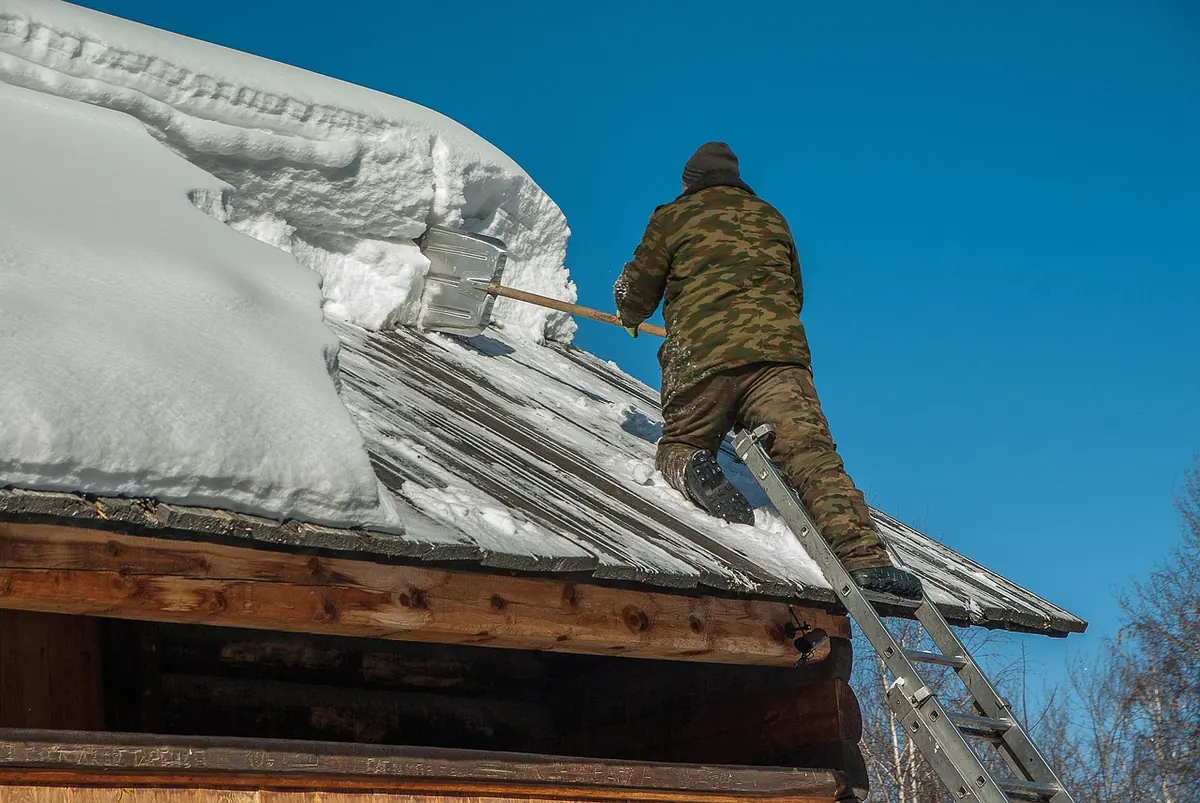
Offer to shovel or to run errands while you are out. If you are the one shoveling, know that heavy snow is genuinely hard on the heart — take breaks, push rather than lift, and ask for help if you have a heart condition or are not used to the exertion. When in doubt, check with a doctor. There is no prize for finishing the driveway in one go.
During the storm
Stay home if you can. Report your outage to the utility rather than assuming a neighbor already did, unplug sensitive electronics so they are not hit by a surge when power returns, and leave one light switched on so you know when it comes back. Keep the refrigerator and freezer closed; food that has sat warm for more than a few hours should be thrown out rather than sniffed and hoped over. Check official food safety guidance if you are unsure.
Check in with your list by text first — it uses less battery and less of the network. If someone has not answered by evening, walk over.
After it clears — and before the next one
Once the wind drops, clear snow from furnace, dryer, and exhaust vents, and from around any fire hydrant on your block. Keep away from downed lines and anything touching them, and call the utility to report them. Restock what you used — batteries, food, ice melt, the cash you raided for takeout — and write down the one thing you wished you had. That note is your checklist for next winter.
Bluebell gets through storms the same way it gets through everything else: neighbors who know each other's names and check the porch light. Do your part now, and the next forecast will feel like less of a threat.
Photo: jackmac34 / Pixabay