Bluebell Farmers Market vs. Riverside Flea Market: A Saturday Morning Comparison
A side-by-side look at Bluebell Farmers Market and Riverside Flea Market — vendors, parking, hours, food and family logistics — so you can choose the right one for your Saturday.
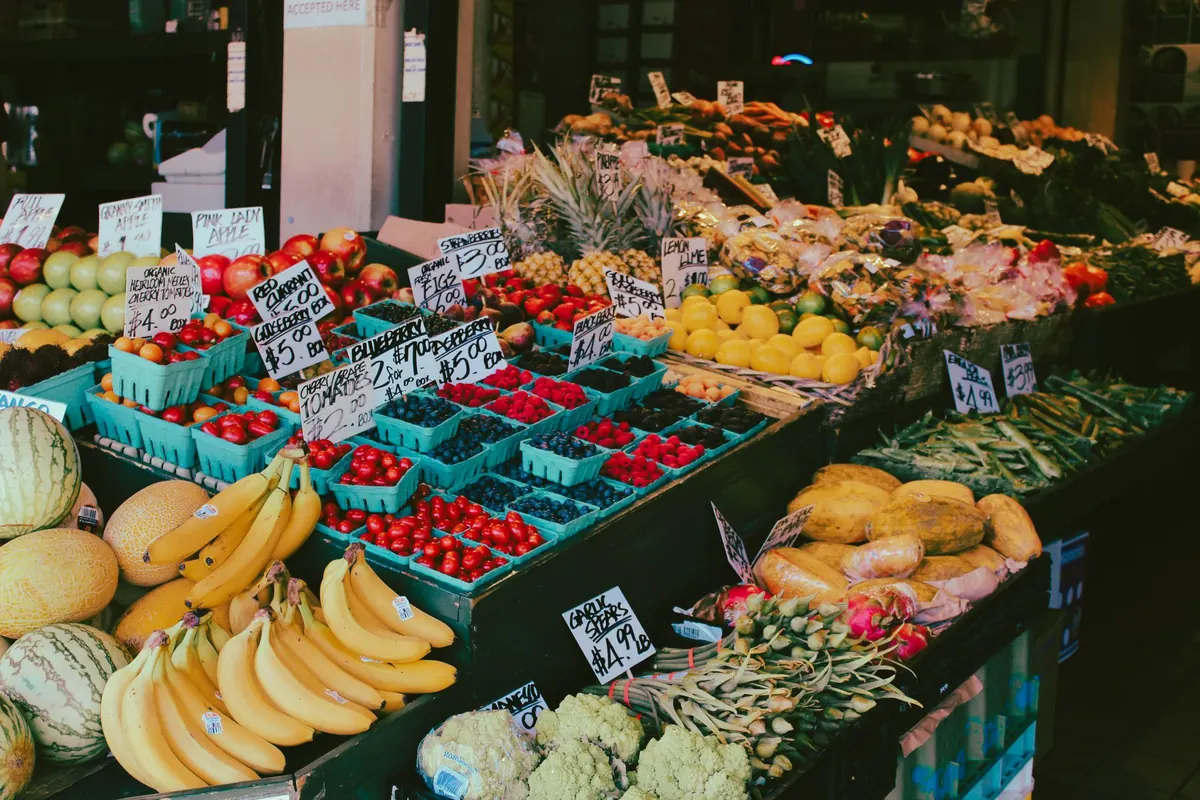
Two markets, one town, one Saturday morning. Bluebell Farmers Market and Riverside Flea Market both open early, both pull a crowd, and both can swallow half your weekend if you let them. They are not interchangeable. One rewards a shopping list and a canvas bag; the other rewards an empty afternoon and a willingness to dig through boxes. What follows is a grounded comparison of the things that shape an actual trip: vendors, parking, hours, food, and whether the kids will still be speaking to you by noon.
Hours: A Hard Start vs. a Slow Ramp
The farmers market runs on a clock. Growers arrive before dawn to set up, and the good stuff moves fast — the first hour is when the best produce, the eggs, and the bread that always sells out are still on the table. By late morning the selection thins and the crowd thickens. Things wind down early in the afternoon, and some stalls start packing before that.
The flea market keeps a looser rhythm. Sellers unpack when they feel like it, so the opening hour can look scrappy and the middle of the day is often the real event. Dealers and pickers tend to work the tables early, before the general public arrives. That is the standard pattern at most flea markets, and it matters if you are hunting something specific.
Both markets shift hours with the seasons and around holidays. Check the current schedule the night before you go. Five minutes of checking beats standing in a locked lot at 7 a.m.
What Is Actually for Sale
Bluebell Farmers Market
This is a curated market, and the mix stays fairly consistent week to week. You will find seasonal vegetables and fruit, eggs, honey, jams, cut flowers, baked goods, and usually a few prepared-food stands. Because the roster is stable, you learn the terrain: whose tomatoes are worth the line, which grower has the best greens in June, who sells out of sourdough by nine.
Riverside Flea Market
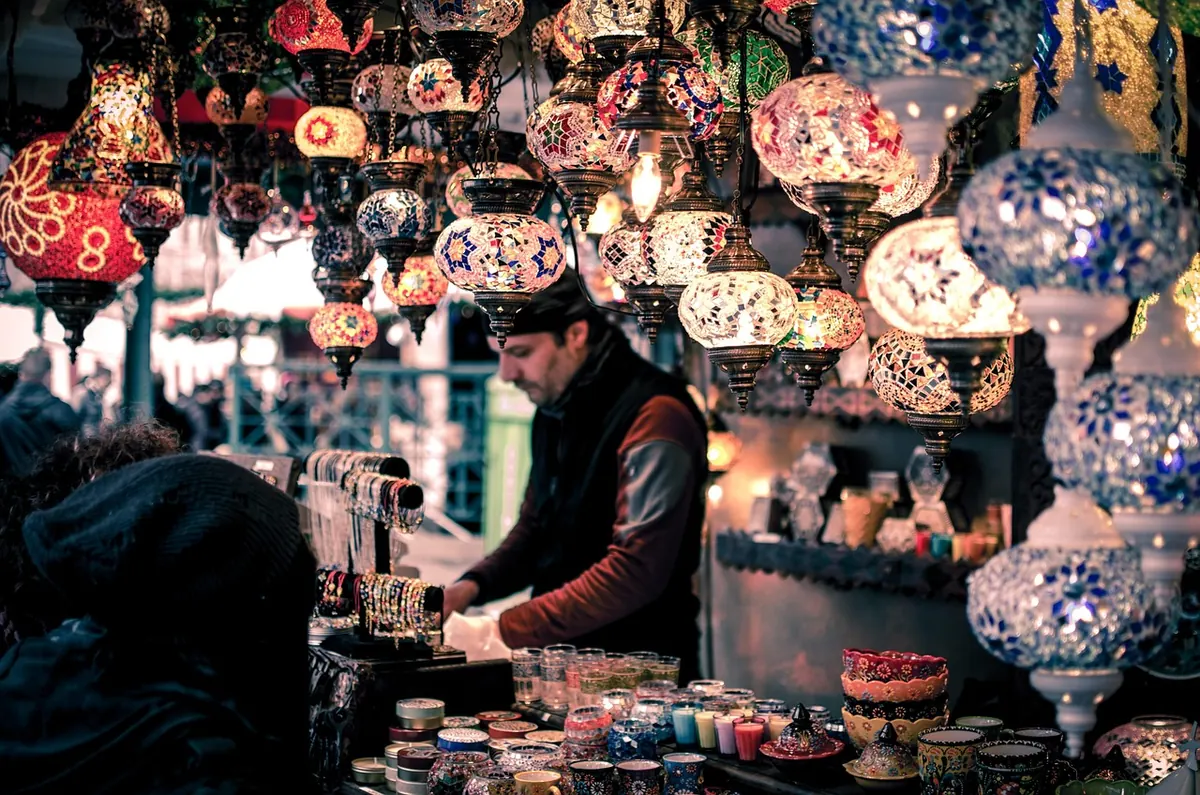
Expect anything. Furniture, hand tools, vinyl records, vintage clothing, kitchenware, costume jewelry, garden pots, and boxes of the genuinely unidentifiable. Inventory turns over constantly, which is the whole appeal and the whole risk. The booth you loved last month may be gone. Nothing here is guaranteed, so shop what is in front of you rather than planning to come back for it.
In short: the farmers market is a grocery run with better scenery. The flea market is a treasure hunt with worse aisles.
Parking and Getting In and Out
This is where the two markets diverge most sharply.
The farmers market sits close to the center of things, which means a tight lot, angled spaces, and a short walk from whatever side street you end up on. Arriving within the first half hour solves most of it. If the lot looks full, do not circle — park two or three blocks out and walk. You will beat the person still hunting for a space.
Riverside has more room and less order. The gravel lot is bigger, but it fills by mid-morning and the single exit backs up badly when everyone leaves at once. Two habits help:
- Back into your space if you can. Leaving is faster and safer in a crowded lot.
- Skip the grass after heavy rain. It looks fine until it is not.
- Carpool or arrive in one car if you are meeting friends. Two cars doubles your parking problem.
- Agree on a meet-up spot before you split up. Cell service in a crowded lot is unreliable.
Food: Two Very Different Breakfasts
At the farmers market, food is an extension of the shopping. Coffee, breakfast sandwiches, pastries, and whatever is in season — often something you can eat standing up while you decide between two kinds of peaches. Seating is limited and usually a bench or a curb, so plan for that if you have anyone in the group who needs to sit.
Riverside leans heavier and faster. Food trucks and concession stands, fried things, cold drinks, and portions built for a long walk. It is less about quality and more about fuel. Bring a water bottle either way; the lines for drinks peak at exactly the moment you are thirstiest, and that moment always arrives around the same time as the crowd.
If you have dietary restrictions, ask before you order. Vendors at both markets are generally happy to explain what is in something, but ingredient lists are not posted the way they are at a restaurant.
Family Friendliness, Honest Version
Both markets welcome kids. They wear you out differently.
- Strollers: Fine at the farmers market early, miserable once the aisles fill. At Riverside, gravel and uneven ground make a stroller a genuine workout — a carrier or a wagon handles it better.
- Bathrooms: The farmers market usually has something nearby and permanent. Riverside often relies on portable units. Check on arrival, not when it becomes urgent.
- Dogs: Rules vary by market and change with the season. Read the signage at the entrance instead of assuming.
- Wandering: Riverside is the harder one to keep track of small children in. Set a visible landmark as the meeting point and point it out to everyone before you start walking.
- Cash: Bring small bills. Not every vendor takes cards, and a twenty for a three-dollar item is nobody's favorite transaction.
Which One Fits Your Saturday?
Run through these in order and the answer usually picks itself:
- What is the goal? Groceries and a decent breakfast point to the farmers market. Browsing, hunting, and coming home with something odd point to Riverside.
- How much time do you have? The farmers market is a clean 60 to 90 minutes. Riverside is easy to lose three hours in.
- Who is coming? Toddlers and strollers favor the farmers market. Teens and browsers tend to prefer Riverside.
- What is the weather doing? Rain turns the flea market's gravel into mud and its aisles into a slog. The farmers market handles a wet morning better.
- Could you do both? On a dry Saturday, they are short enough apart to hit the farmers market early for produce, then swing by Riverside mid-morning. Go in that order. The reverse does not work.
Before You Walk Out the Door
Small bills, a reusable bag, and a cooler left in the car if you are buying anything perishable. A hat and sunscreen, because both markets are mostly outdoors and mostly without shade. Park where you can see the exit. Take a photo of your parking spot row marker — it sounds fussy until the lot looks completely different at noon. And if you split from your group, the meet-up point is the landmark everyone agrees on out loud, not the one you assume they noticed.
Go early, bring cash, and give yourself more time than you think you need. The best part of both markets is rarely on the list you made.
Photo: Emma Cate / Pexels